OpenAI's Secret Certificate Panic After TanStack's 84 Poisoned Packages

OpenAI just rotated all their signing certificates. That's the detail buried in their corporate blog post that should terrify every developer.
Let me explain what happened on May 11th when TeamPCP turned the JavaScript ecosystem into their personal credential harvesting farm.
Six Minutes of Digital Carnage
Between 19:20 and 19:26 UTC, someone published 84 malicious versions across 42 @tanstack packages. Six minutes. That's all it took to compromise infrastructure used by millions of developers worldwide.
The attack vector? Pure GitHub Actions stupidity. They exploited pull_request_target workflows - a feature that still trusts code from random forks. In 2026. After years of security researchers screaming about this exact attack pattern.
<> "Got lucky - payload broke tests, preventing stealthier publish" - Tanner Linsley, TanStack maintainer/>
Lucky indeed. If their malware hadn't been so sloppy, we might never have caught this.
The Worm That Ate Everything
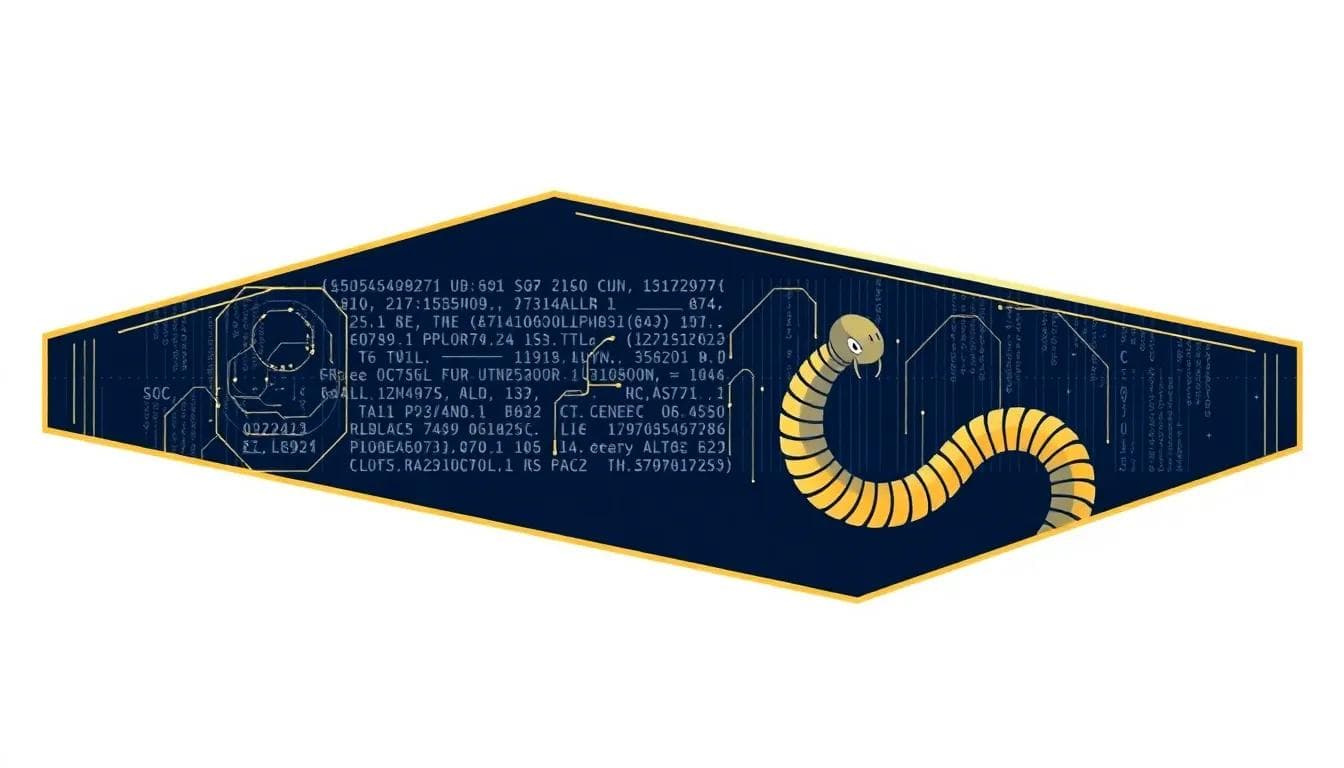
Mini Shai-Hulud - yes, they named it after the Dune sandworms - was designed to self-propagate through poisoned pnpm caches. It harvested:
- AWS IMDS tokens
- GCP metadata
- GitHub personal access tokens
- SSH private keys
- Literally anything in
/proc/<pid>/mem
The malware exfiltrated everything through Session/Oxen network endpoints like filev2.getsession.org. Because nothing says "legitimate software supply chain" like routing stolen credentials through privacy networks.
What Nobody Is Talking About
Everyone's focused on the npm packages. But look at OpenAI's response: they're forcing every macOS user to update their desktop apps by June 12, 2026.
Why macOS specifically? Because compromised dependencies can persist in local installations. OpenAI isn't just worried about their servers - they're worried about malware living rent-free in ChatGPT desktop apps sitting on millions of Macs.
That's a $10 billion company essentially admitting: "We don't know what's running on your computer anymore."
The SLSA Theater
Here's the kicker: these malicious packages carried valid SLSA Build Level 3 provenance. The gold standard of supply chain security. Completely useless.
<> "SLSA confirms the pipeline, not the intent" - StepSecurity analysis/>
We've spent years building elaborate certificate and attestation systems. Meanwhile, attackers just... asked GitHub Actions nicely to sign their malware. And it did.
TeamPCP's Greatest Hits Tour
This wasn't their first rodeo:
1. Late April 2026: SAP npm packages
2. April 30, 2026: PyTorch Lightning
3. May 11-12, 2026: TanStack + 160+ others
They're systematically working through the JavaScript ecosystem's most trusted packages. SAP, PyTorch, now TanStack. Each wave bigger than the last.
The Real Victims List
Sure, OpenAI gets the headlines. But TeamPCP also hit Mistral AI, UiPath, OpenSearch, and PyTorch Lightning. That's machine learning, enterprise automation, search infrastructure, and deep learning frameworks.
They're not targeting companies. They're targeting entire technical ecosystems.
Fix Your Stuff
If you're running anything that touched @tanstack packages between May 11-12:
- Block
git-tanstack[.]comand*.getsession.org - Rotate every credential that touched those CI/CD systems
- Disable
pull_request_targetworkflows immediately - Stop trusting SLSA attestations as security blankets
OpenAI learned this lesson the expensive way - certificate rotation across their entire infrastructure isn't cheap. Learn from their pain.
The supply chain isn't broken. It's working exactly as designed: with blind trust and automated execution. Until we fix the fundamental architecture, expect more six-minute meltdowns.